

Fernando R. Macìas Third Judicial District Attorney
CASE BACKLOG
When Fernando Macias became District Attorney in January 2025, he inherited a backlog of 1,600 cases. That meant cases were sitting unresolved, and victims were left waiting for justice. Since then, the office has worked to reduce that number by adding more prosecutors to the team and focusing resources on resolving those cases. We will continue working until the backlog reaches zero.
0
out of 1,6000%
DA Macias on Youth Gun Violence
District Attorney Fernando Macias spoke at a city council meeting focused on youth violence and community initiatives to prevent it.

NOW HIRING ATTORNEYS
The Third Judicial District Attorney's Office seeks to grow and hire a diverse team of prosecutors, paralegals, investigators, and staff to support the office's mission. Employees are provided with comprehensive benefits and are encouraged to pursue personal and professional development during their time at the office. We strive to maintain a high standard of integrity and professionalism, as well as support a positive and healthy work-life balance.
TRACK A CASE
Lookup case information
VICTIM SERVICES
Resources for victims of crimes
FAQS
Frequently asked questions
Press Releases
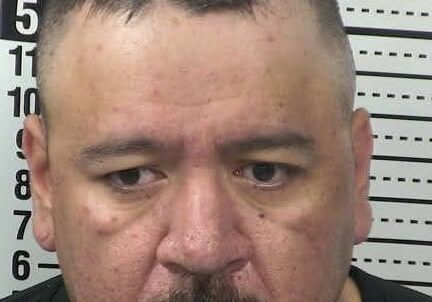
Alfredo Salazar-Rios sentenced to 15 years in prison for child sex offense
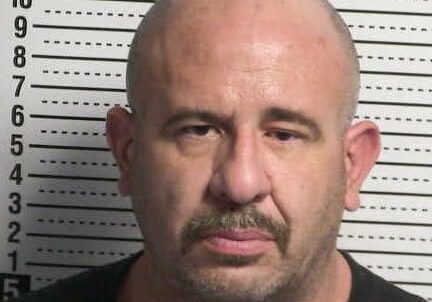
Doña Ana County Jury Convicts Eddie Joe Valdez of Attempted First-Degree Murder, Tampering with Evidence

Victoria Cabrales Sentenced to 9 Years for a Burglary Spree
Nathan Rivas Sentenced to 90 Years in Prison for the Deadly Young Park Shooting
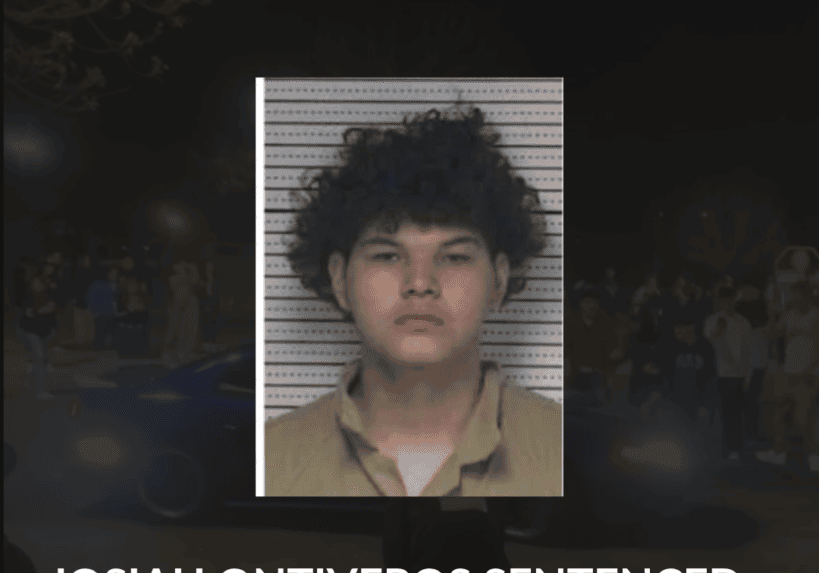
Josiah Ontiveros Sentenced to 90 Years in Prison for Deadly Young Park Shooting
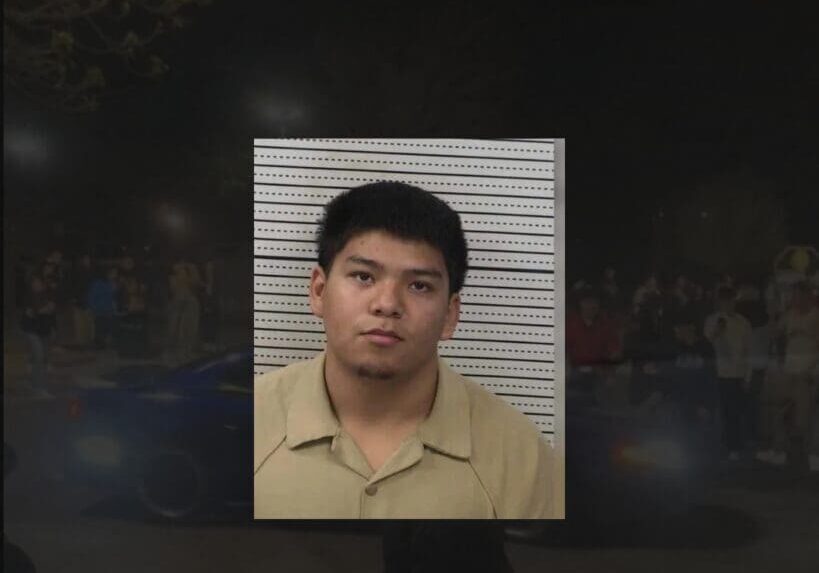
Gustavo Dominguez Sentenced to 90 Years in Prison for Deadly Young Park Shooting
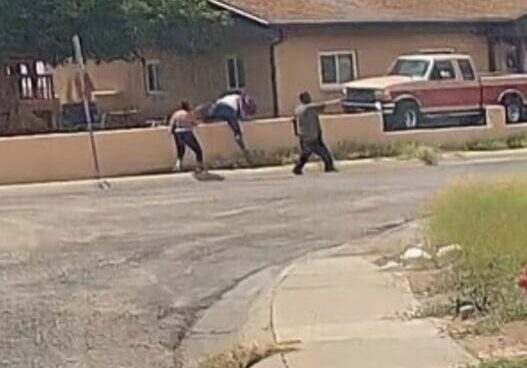
Jerimiah Castillo Zubiran to Remain in Custody Pending Trial for Shooting on Idaho Ave
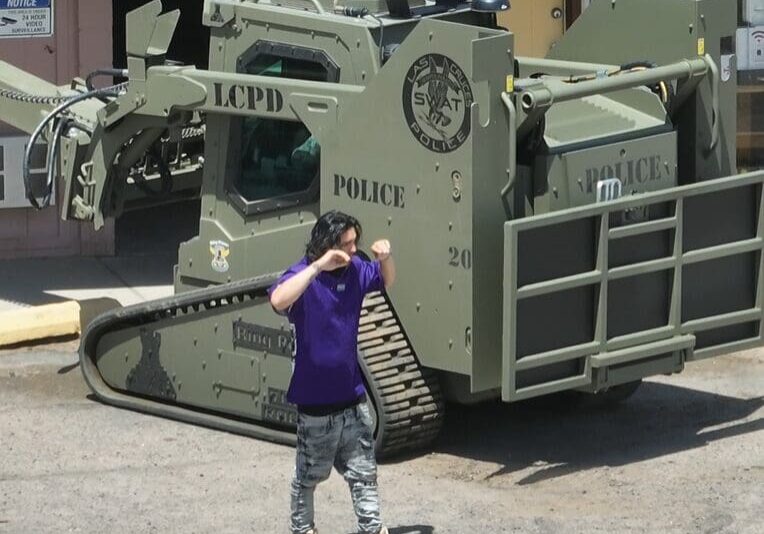
Pancho Garcia Sentenced to 23 Years for 2025 Shooting Death of Local School Bus Driver

Kenneth Perez Pleads Guilty to Second-Degree Murder in House Party Shooting

Las Cruces 13-Year-Old Sentenced to Two Years in Shooting Death of 13-Year-Old Chris Carnero

Drake Armendariz Pleads Guilty to First-Degree Murder for Deadly I-25 Shooting, Sentenced to 30 years in Prison with Portion Suspended

Tomas Rivas Receives Three Consecutive Life Sentences for Deadly Young Park Shooting

Jury Finds Lerenzo Andrade Legardy Guilty of Child Abuse in the Third Degree

District Attorney’s Office Secures Sentence in Fatal Hit-and-Run Case

Guilty Verdict Secured in Re-Trial of Jacob Gonzales for Kidnapping and Aggravated Battery

Jury Returns Guilty Verdict in Abuse Case: DA’s Office Secures Conviction Against Michael Ybarra

District Attorney Macias Announces Indictments for All Four Defendants in Young Park Shooting

DA Fernando R. Macias Announces All Juvenile Defendants Involved in Young Park Incident Will Be Held in Custody

Statement from DA Macias on Young Park shooting

DA Fernando R. Macias Announces Successful Motion for Pretrial Detention of Alex Cuellar in Connection with Multiple Shootings
Joel Arciniega-Saenz Found Guilty of First-Degree Murder in Gruesome 2021 Killing

Oscar Sandoval sentenced to life, plus 4.5 years following his conviction for first-degree murder

Dillon Alexander Waller Sentenced to Life in Prison for the Murder of His Mother
DA Fernando Macias Announces Successful Prosecution of Oscar Sandoval in First-Degree Murder Case

DA Gerald Byers addresses U.S. Federal Court and man who threatened him at sentencing.

Antonio Medina found guilty by a Las Cruces jury on Sexual abuse of a child.
Alexander Vargas-Meza is arrested for battery of a Border Patrol Agent under the Third Judicial District Attorney Border Prosecution Agreement
Gabriel Jordan is sentenced in a high-speed chase with Police Officers in a stolen vehicle encounter.

Initiatives
Preventing Youth Violence
Working to intervene early and hold violent juvenile offenders accountable before more people become victims.
Accountability
Pursing appropriate consequences for serious offenses while advocating for victims and public safety.
Transparency
Keeping the community informed through open communications and accessible information.
Community Partnerships
Working with schools, law enforcement and community organizations to address problems before they become crimes.
The Legal Process

Law Enforcement agencies investigate the crime, gather evidence, and identify suspects.

If there's sufficient evidence, the suspect is arrested and taken into custody.

The District Attorney's Office reviews the evidence and decides whether to file charges. If charges are filed, the suspect becomes the defendant.

The defendant is formally charged in court, informed of their rights, and asked to enter a plea (guilty, not guilty, or no contest.)

This includes discovery (exchange of evidence between prosecution and defense), pretrial motions, and plea bargaining.

If no plea agreement is reached, the case goes to trial. Both the prosecution and defense teams present their evidence and arguments, and a judge or jury determines the defendant's guilt or innocence.

The judge or jury delivers a verdict. If the defendant is found guilty, the case moves to sentencing.

The judge imposes a penalty based on the severity of the crime, the defendant's criminal history, and other factors.